
Weight Management Clinic

Weight Management Services
The Weight Management Center at Pitsanuvej Hospital provides comprehensive care for individuals experiencing overweight conditions, obesity, abdominal obesity, and obesity-related health complications. Our multidisciplinary team of specialists in internal medicine, obesity medicine, nutrition, bariatric surgery, and exercise medicine is committed to helping patients achieve safe, sustainable, and long-term weight management outcomes.
We focus on developing personalized weight management programs tailored to each individual’s health condition, lifestyle, medical history, and personal goals to ensure effective and lasting results.
Lifestyle and Behavior Modification
Successful long-term weight management begins with sustainable lifestyle changes. Our specialists provide professional guidance to help patients improve eating habits, sleeping patterns, stress management, and daily routines through evidence-based behavioral modification programs.
Service Highlights
- Assessment of behaviors contributing to weight gain
- Personalized lifestyle modification plans
- Continuous monitoring and support by a multidisciplinary team
- Focus on sustainable and healthy weight loss without rebound effects
This program is suitable for individuals seeking a safe and structured approach to improving their health and quality of life.
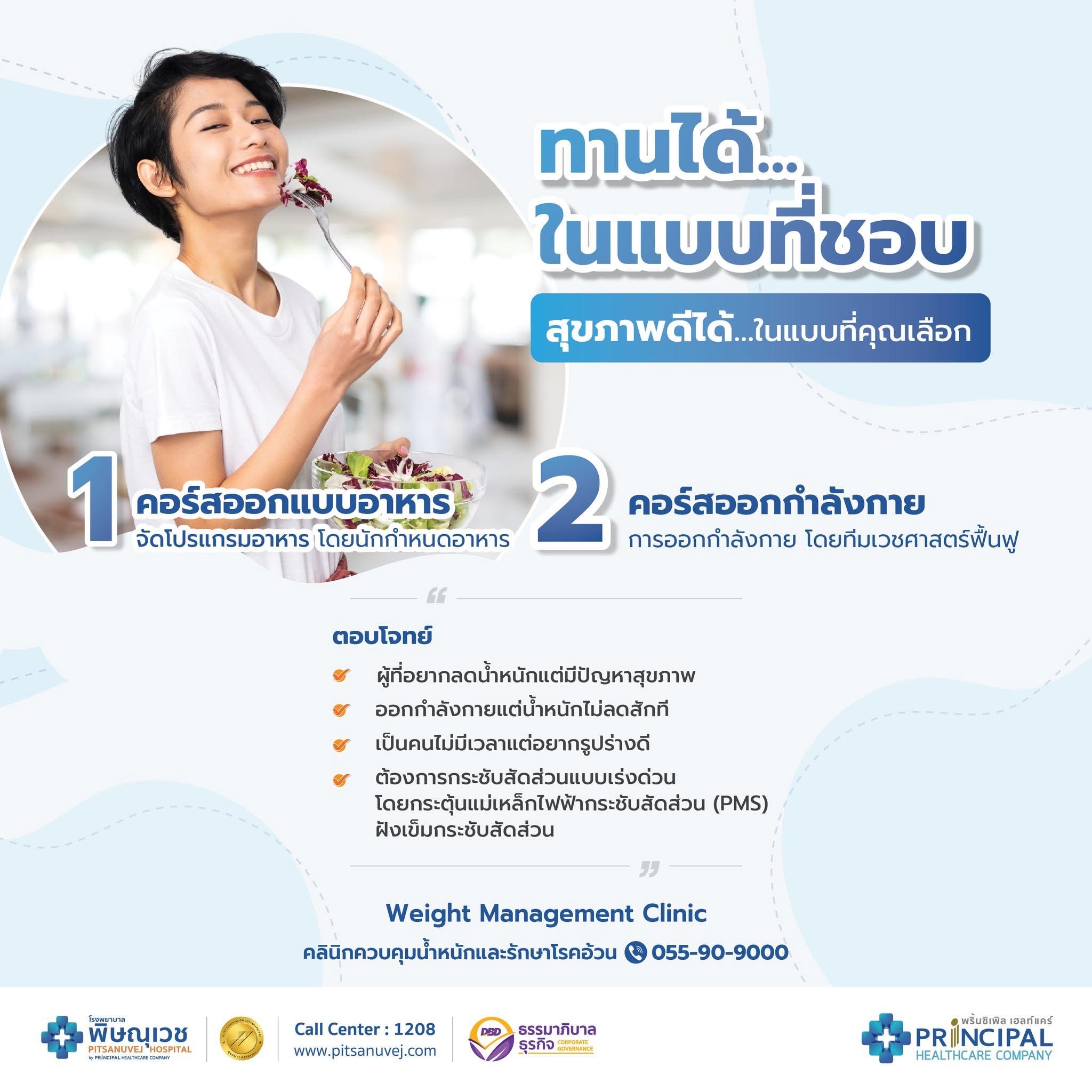
Healthy Eating Program
Our nutrition and dietary counseling services are designed to help patients achieve healthier eating habits, control calorie intake, reduce excess body fat, and improve overall wellness under the supervision of experienced dietitians and nutrition specialists.
Comprehensive Nutritional Care Includes
- Dietary behavior assessment
- Personalized meal planning
- Calorie and nutrient management
- Nutritional guidance for patients with chronic diseases such as diabetes, hypertension, and dyslipidemia
Proper nutrition is a key component of effective weight management and chronic disease prevention.
Physical Activity Program
Regular physical activity plays a vital role in improving metabolism, increasing muscle strength, and supporting effective weight management. Our specialists provide customized exercise programs tailored to each patient’s physical condition and health goals.
Program Features
- Physical fitness assessment
- Individualized exercise planning
- Exercise guidance for beginners
- Specialized recommendations for patients with medical conditions or physical limitations
Medical Weight Management
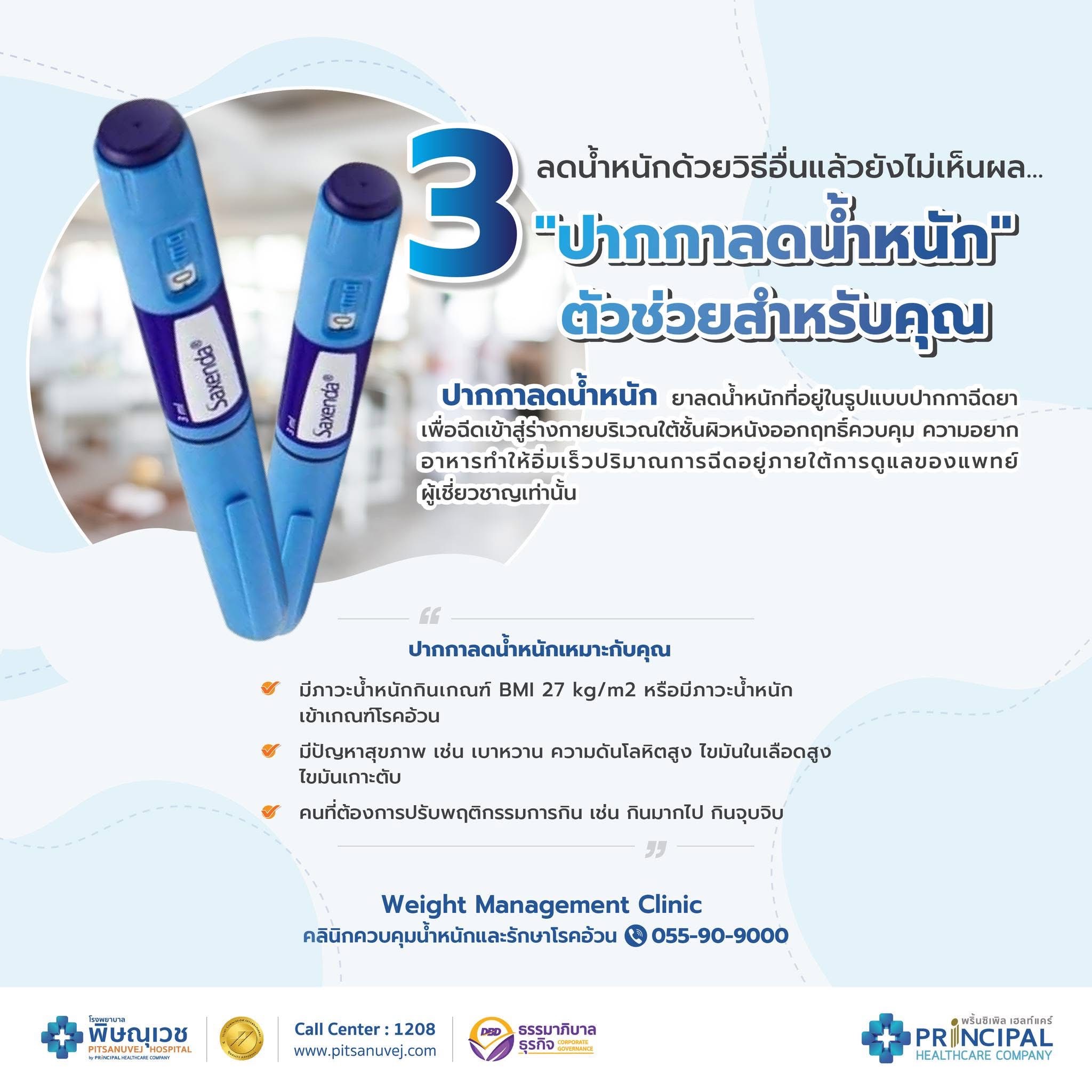
For individuals who are unable to achieve sufficient weight loss through lifestyle modification alone, physicians may recommend medically supervised weight management using approved medications in combination with nutrition and exercise programs.
Suitable For
- Individuals with elevated Body Mass Index (BMI)
- Patients with obesity-related conditions such as diabetes, hypertension, or high cholesterol
- Individuals with a history of unsuccessful weight loss attempts
All treatments are carefully supervised by experienced physicians to ensure safety and effectiveness.
Endoscopic Treatment : Gastric Balloon
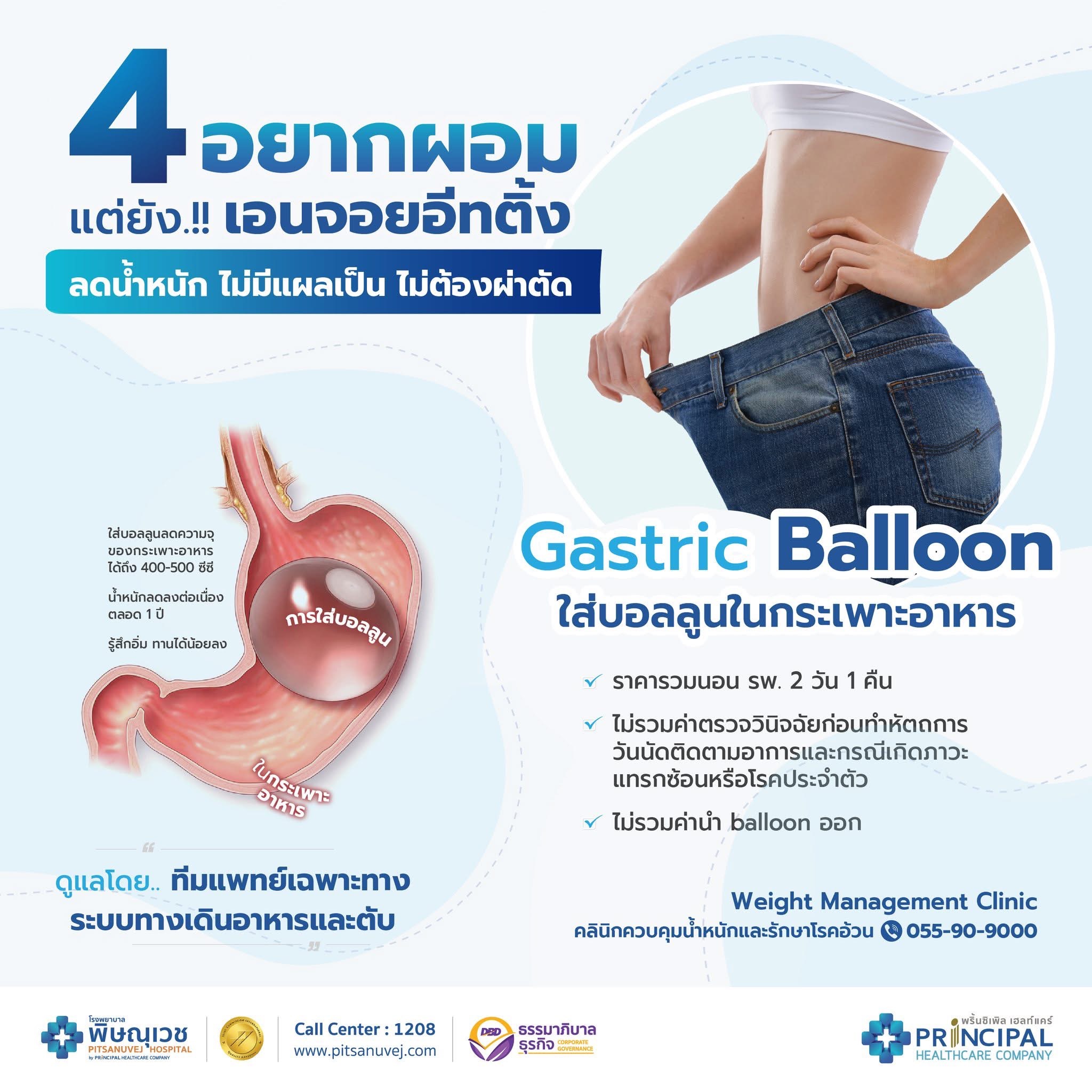
Gastric Balloon treatment is a non-surgical weight loss option performed through endoscopy. A medical balloon is placed inside the stomach to help patients feel full more quickly, reduce food intake, and support effective weight reduction.
Advantages of Gastric Balloon Treatment
- Non-surgical procedure
- Minimal recovery time
- Helps reduce food consumption
- Suitable for individuals seeking an effective initial weight loss solution
Bariatric Surgery
Bariatric Surgery is an advanced treatment option for individuals with severe obesity or obesity-related medical conditions. These procedures help reduce food intake and alter the digestive process to achieve significant and sustainable weight loss.
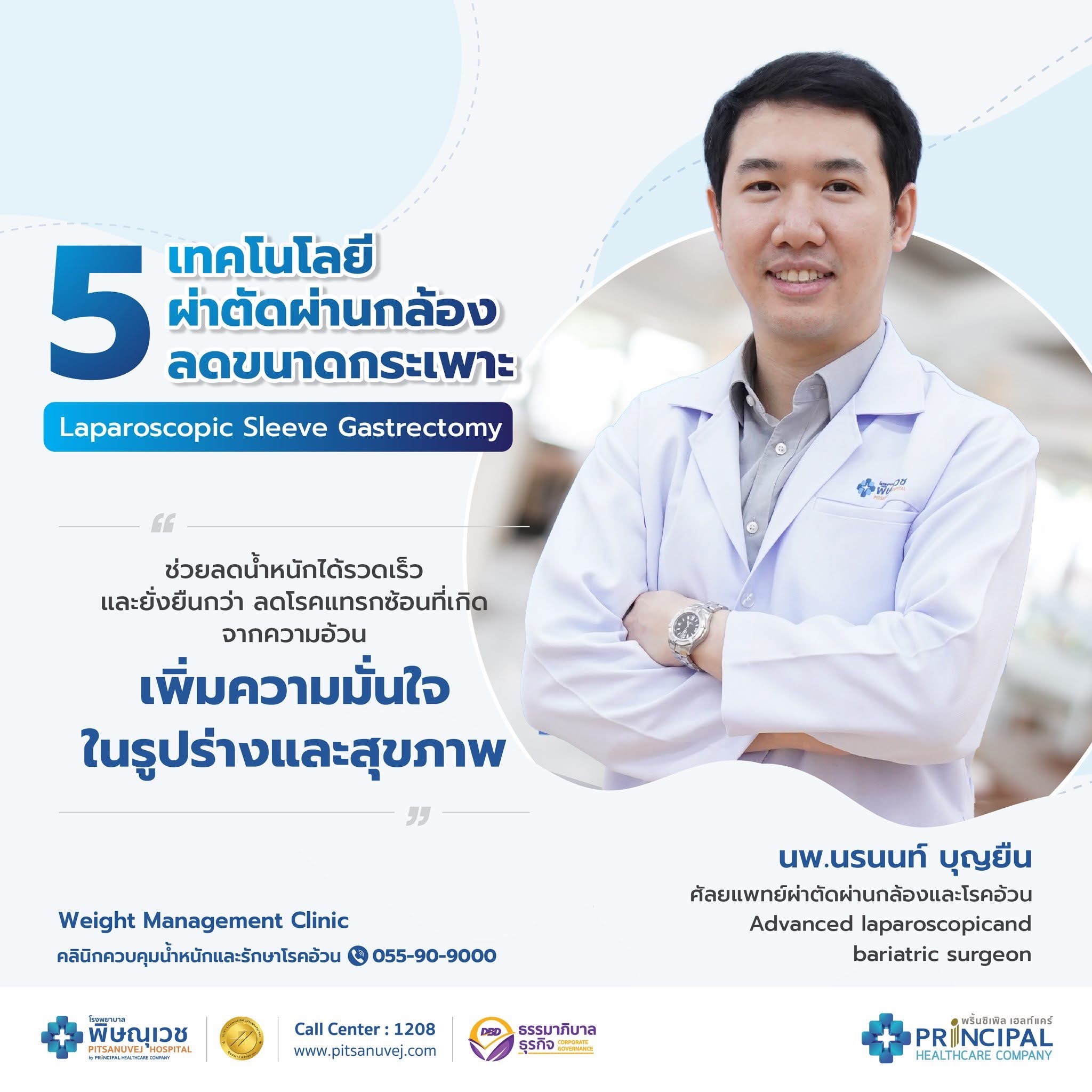
Laparoscopic Sleeve Gastrectomy
Laparoscopic Sleeve Gastrectomy is a minimally invasive surgical procedure that reduces the size of the stomach, helping patients consume smaller portions and feel full sooner. This procedure is widely recognized for its effectiveness, smaller incisions, and faster recovery.
SLEEV Plus
SLEEV Plus is an advanced bariatric surgical technique designed to enhance weight loss outcomes and improve control of obesity-related health conditions. It is suitable for patients seeking comprehensive metabolic and long-term health benefits.
Laparoscopic Roux-en-Y Gastric Bypass (LRYGB)
Laparoscopic Roux-en-Y Gastric Bypass is a bariatric procedure that reduces both stomach capacity and nutrient absorption. It is particularly suitable for patients with severe obesity and obesity-related diseases such as Type 2 Diabetes Mellitus. The procedure can significantly improve metabolic health and reduce long-term health risks.
Why Choose the Weight Management Center at Phitsanuvej Hospital
- Comprehensive care by multidisciplinary specialists
- Personalized treatment programs tailored to each patient
- Full range of treatment options, including non-surgical and surgical approaches
- Advanced medical technology and internationally recognized standards
- Continuous long-term follow-up care for sustainable results

Telephone
055909000
Body Mass Index (BMI) is a standard measurement used to evaluate body weight balance and overall nutritional status. It is calculated using the following formula:
BMI = \frac{\text{Weight (kg)}}{\text{Height (m)}^2}
A healthy BMI range is between 18.5 – 22.9 kg/m². Values above or below this range may indicate malnutrition or increased risk of various health conditions.
- BMI 23.0 – 24.9 kg/m² is classified as “Overweight”
- BMI 25.0 – 29.9 kg/m² is classified as “Obesity Class I”
- BMI greater than 30 kg/m² is classified as “Obesity Class II”
A BMI exceeding 25 kg/m² is considered obesity, which is a medical condition characterized by excessive fat accumulation in different parts of the body. This condition increases the risk of chronic diseases and related complications. Proper weight management, along with control of sugar, carbohydrate, and fat intake, is essential to reduce health risks and improve overall well-being.
Today’s fast-paced lifestyle has significantly influenced eating behaviors and dietary choices. According to statistics from the World Health Organization, nearly one-third of the Thai population is currently overweight or obese, making Thailand the second-highest country in obesity prevalence within the ASEAN region, following Malaysia. Globally, the countries with the highest obesity rates include the United States and China.
Obesity does not only affect body weight and appearance, but it also increases the risk of developing several serious health conditions that may negatively impact overall health without obvious warning signs.
Common obesity-related diseases and complications include:
- Type 2 Diabetes Mellitus
- Hypertension (High Blood Pressure)
- Dyslipidemia (High Blood Cholesterol)
- Snoring and Obstructive Sleep Apnea (OSA)
- Ovarian Cysts, Irregular Menstruation, and Polycystic Ovary Syndrome (PCOS)
- Non-Alcoholic Fatty Liver Disease (NAFLD)
- Non-Alcoholic Steatohepatitis (NASH)
- Cardiovascular Disease
- Joint Pain and Early Degenerative Joint Disease, especially in weight-bearing joints such as the spine, hips, knees, and ankles
- Asthma and Shortness of Breath
These obesity-related conditions can significantly affect daily life, reduce quality of life, and lead to long-term health complications.
Preventing and managing obesity generally involves adopting a healthier lifestyle, including regular physical activity, balanced nutrition, and maintaining appropriate calorie intake according to the body’s needs. If patients are able to successfully lose weight and improve their lifestyle behaviors, many obesity-related conditions may improve significantly or even completely resolve. Effective weight management can also help reduce the risk of future diseases and serious health complications.
Individuals with obesity often struggle with long-term weight management. In many cases, body weight continues to increase despite attempts at diet control, exercise, and medical treatment, eventually leading to serious health complications. Bariatric surgery, or weight-loss surgery, is an effective treatment option for patients with obesity who are unable to achieve sustainable weight loss through conventional methods.
Eligibility Criteria for Bariatric Surgery
Candidates for bariatric surgery should meet the following qualifications:
- Age between 18–65 years
- Must meet at least one of the following indications:
BMI-Based Indications
- Body Mass Index (BMI) ≥ 37.5 kg/m² without obesity-related diseases
- Body Mass Index (BMI) ≥ 32.5 kg/m² with obesity-related comorbidities, especially patients with Type 2 Diabetes Mellitus or Metabolic Syndrome
Obesity-Related Conditions Considered for Surgical Treatment
Patients with obesity and one or more of the following conditions may be considered candidates for bariatric surgery:
- Hypertension — blood pressure greater than or equal to 140/90 mmHg
- Dyslipidemia or Hyperlipidemia
- Obstructive Sleep Apnea (OSA)
- Polycystic Ovary Syndrome (PCOS)
- Non-Alcoholic Fatty Liver Disease (NAFLD)
- Non-Alcoholic Steatohepatitis (NASH)
- Cardiovascular Diseases
- Congestive Heart Failure
- Chronic Venous Insufficiency (CVI)
- Cerebrovascular Disease (CVD)
- Hormonal disorders causing abnormal weight gain
- Musculoskeletal disorders associated with abnormal body weight
Bariatric Surgery for Diabetes Management
Bariatric surgery may also be considered for:
- Patients with uncontrolled Type 2 Diabetes Mellitus and BMI ≥ 30.0 kg/m² who have already received intensive treatment and lifestyle management under endocrinologists and nutrition specialists but failed to achieve treatment goals
- Patients with uncontrolled diabetes and BMI between 27.5–30.0 kg/m² who require close medical supervision and individualized evaluation by specialists
Importance of Postoperative Care
Successful outcomes after bariatric surgery depend not only on the procedure itself, but also on long-term lifestyle modification and proper nutritional management.
After surgery, patients must:
- Adjust eating behaviors appropriately
- Control food portions according to the body’s nutritional requirements
- Follow dietary and lifestyle recommendations from the multidisciplinary medical team
- Attend regular follow-up appointments
Proper postoperative care helps improve surgical outcomes, supports faster recovery, reduces complications, and promotes sustainable long-term weight management and overall health improvement.
In general, obesity is closely related to an individual’s lifestyle, including eating behaviors and daily habits that affect the body’s metabolism. Obesity treatment typically involves a combination of lifestyle modification, medical therapy, and, in some cases, bariatric surgery.
1. Weight Management: Lifestyle and Behavior Modification
Lifestyle and behavior modification is the foundation of obesity treatment. This approach focuses on long-term weight management through structured lifestyle changes, nutritional counseling, and behavioral adjustment techniques to help patients achieve and maintain a healthy body weight.
The program promotes:
- Healthy eating habits
- Balanced nutrition
- Regular physical activity
- Sustainable weight control
- Long-term lifestyle improvement
These strategies help reduce excess body weight while improving overall health and reducing the risk of obesity-related diseases.
2. Medical Treatment
Medical treatment may be recommended for patients who are unable to achieve adequate weight loss through lifestyle modification alone. Weight-loss medications are prescribed under the supervision of specialists to improve appetite control, metabolism, and long-term weight management outcomes.
Liraglutide
Liraglutide, commonly known as a weight-loss injection pen, is a medication approved by the U.S. Food and Drug Administration (FDA) for weight reduction and weight management.
This medication helps reduce appetite and is typically used together with healthy eating and regular exercise. Liraglutide is a glucagon-like peptide-1 (GLP-1) receptor agonist that acts on receptors found in the gastrointestinal tract. It helps lower blood sugar levels and slows gastric emptying, allowing patients to feel full for a longer period of time and consume less food.
Dulaglutide
Dulaglutide is primarily used for the treatment of Type 2 Diabetes Mellitus in combination with diet and exercise. In the United States, it has also been approved to reduce the risk of major cardiovascular events in adults with Type 2 Diabetes who have cardiovascular disease or significant cardiovascular risk factors.
3. Bariatric Surgery
Bariatric Surgery is a surgical treatment designed to help patients achieve significant and sustainable weight loss. Before considering bariatric surgery, patients should undergo comprehensive evaluation and consultation with a multidisciplinary team of specialists to minimize risks and determine the most appropriate treatment option for each individual.
Types of Laparoscopic Bariatric Surgery
There are three major minimally invasive bariatric surgical procedures:
Sleeve Gastrectomy
Sleeve Gastrectomy is the most commonly performed bariatric procedure and is technically less complex than other methods.
Using a specialized surgical stapling device, approximately 80–85% of the stomach is removed, leaving a narrow gastric tube with about 15–20% of the original stomach volume remaining. This procedure significantly reduces the production of the hunger hormone Ghrelin, helping patients feel less hungry and consume smaller portions.
Patients can typically lose approximately 60–70% of excess body weight within the first year after surgery. Compared with other bariatric procedures, Sleeve Gastrectomy has a lower risk of long-term vitamin, mineral, and nutritional deficiencies.
Roux-en-Y Gastric Bypass
Roux-en-Y Gastric Bypass is a more complex bariatric procedure involving the creation of a small stomach pouch, approximately 25–30 cc in volume, combined with bypassing a portion of the small intestine.
This procedure increases satiety hormone activity, reduces hunger, decreases food intake, and limits nutrient absorption. Patients can typically lose approximately 70–80% of excess body weight.
Roux-en-Y Gastric Bypass is particularly effective for patients with severe Type 2 Diabetes Mellitus and often provides better diabetes control compared with Sleeve Gastrectomy. It also produces favorable outcomes in obese patients with gastroesophageal reflux disease (GERD).
However, this procedure carries a higher risk of vitamin and mineral deficiencies, particularly Vitamin B12 deficiency, requiring long-term nutritional supplementation and follow-up every 6–12 months.
Sleeve Gastrectomy Plus (Sleeve Plus)
Sleeve Gastrectomy Plus is an advanced bariatric procedure developed from the standard Sleeve Gastrectomy combined with intestinal bypass techniques that shorten the nutrient absorption pathway.
This approach can achieve approximately 70–80% excess weight loss and provides metabolic and diabetes control outcomes comparable to Roux-en-Y Gastric Bypass.
Sleeve Plus procedures can be customized into several different surgical variations depending on each patient’s condition, health status, and treatment goals.
Bariatric surgery may not be the right option for everyone. Patients should consult with a specialist physician for a comprehensive evaluation to carefully weigh the potential benefits against the risks of surgery. A thorough physical examination and medical assessment are also necessary to determine each individual’s overall health condition and surgical readiness.
Initial eligibility can be assessed using the Body Mass Index (BMI) criteria:
- BMI > 32.5 kg/m² with obesity-related medical conditions such as:
- Type 2 Diabetes Mellitus
- Hypertension
- Dyslipidemia (High Blood Cholesterol)
- BMI > 37.5 kg/m², regardless of associated medical conditions
Patients who meet these criteria are generally considered suitable candidates for bariatric surgery. Individuals outside these criteria may also consult with a bariatric specialist for further personalized evaluation and treatment recommendations.
Complications after bariatric surgery may vary depending on the patient’s age, underlying medical conditions, and overall health status. Patients with severe obesity, higher body weight, multiple underlying diseases, or a history of previous abdominal surgery may have an increased surgical risk and a higher chance of postoperative complications.
Vitamin and Mineral Deficiencies
After bariatric surgery, patients are able to consume less food, which may result in lower intake of essential vitamins and minerals. As a result, long-term supplementation with certain vitamins and minerals is necessary to maintain proper nutritional balance and prevent deficiencies.
However, in the overall perspective, the health benefits achieved from significant weight loss and improvement of obesity-related diseases often outweigh the need for lifelong nutritional supplementation. Many patients experience substantial improvement in chronic conditions such as:
- Hypertension
- Type 2 Diabetes Mellitus
- Dyslipidemia
This may reduce or eliminate the need for long-term medications or injectable treatments that would otherwise be required throughout life.
As with any surgical procedure, bariatric surgery may involve certain risks and potential complications, such as infection or complications related to underlying medical conditions.
However, bariatric surgery performed by experienced bariatric surgeons together with a multidisciplinary medical team is typically conducted using minimally invasive laparoscopic techniques with small incisions and high surgical precision. This advanced approach helps reduce the risk of complications, minimizes postoperative pain, shortens recovery time, and improves overall surgical outcomes, allowing patients to recover more safely and effectively.
Our bariatric surgery program is led by highly experienced specialist surgeons in laparoscopic and bariatric surgery, supported by a multidisciplinary medical team dedicated to providing comprehensive and personalized patient care.
At Phitsanuvej Hospital, we combine advanced medical technology with modern operating rooms that meet strict sterile and international safety standards, ensuring the highest level of safety for major surgical procedures.
With expertise, precision, and patient-centered care, our goal is to achieve successful surgical outcomes while helping patients improve their overall health, regain confidence, and enjoy a better quality of life.
Laparoscopic Sleeve Gastrectomy can help patients lose approximately 15% of their initial body weight within 1–2 years after surgery. The weight-loss results are generally sustainable for at least 5 years, providing more durable outcomes compared with non-surgical treatments such as Intra-Gastric Balloon placement, which usually offers only short-term results.
When patients follow the recommendations of their physicians and nutrition specialists, the weight reduction achieved through surgery can provide significant health benefits beyond a slimmer waistline and improved self-confidence.
Health Benefits of Sleeve Gastrectomy
- Reduces the risk of obesity-related diseases
- Helps lower Hemoglobin A1C (HbA1C) levels
- Improves triglyceride levels
- Helps regulate blood pressure
- Supports improved liver function
- Enhances overall metabolic health and quality of life
However, Sleeve Gastrectomy may not significantly reduce Low-Density Lipoprotein (LDL) cholesterol levels in some patients. Therefore, maintaining proper nutrition, healthy eating habits, and regular physical activity remains essential for long-term health and successful weight management.
Appointment Weight Management Clinic
| Doctors | Monday | Tuesday | Wednesday | Thursday | Friday | Saturday | Sunday | |||
|---|---|---|---|---|---|---|---|---|---|---|
Send An Inquiry
Recommend a doctor
แพ็กเกจ/โปรโมชั่นแนะนำ


